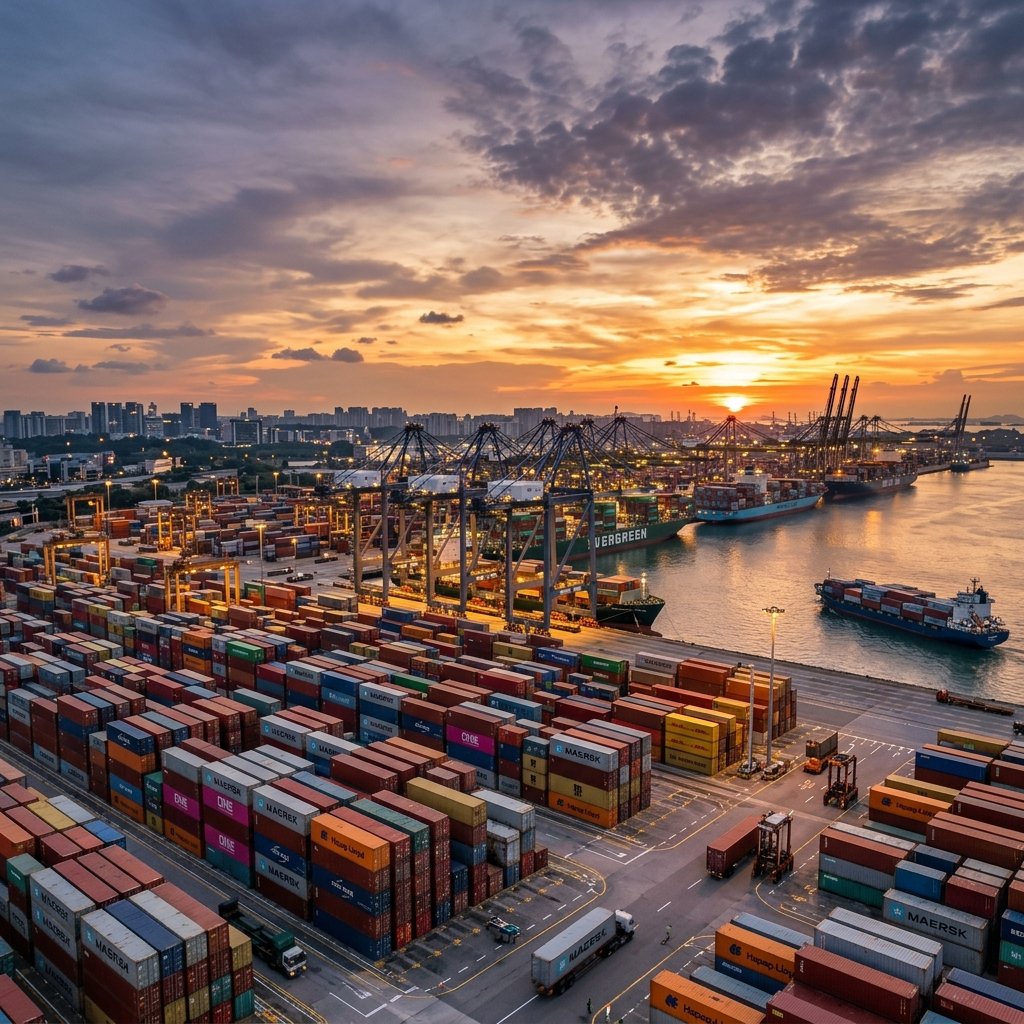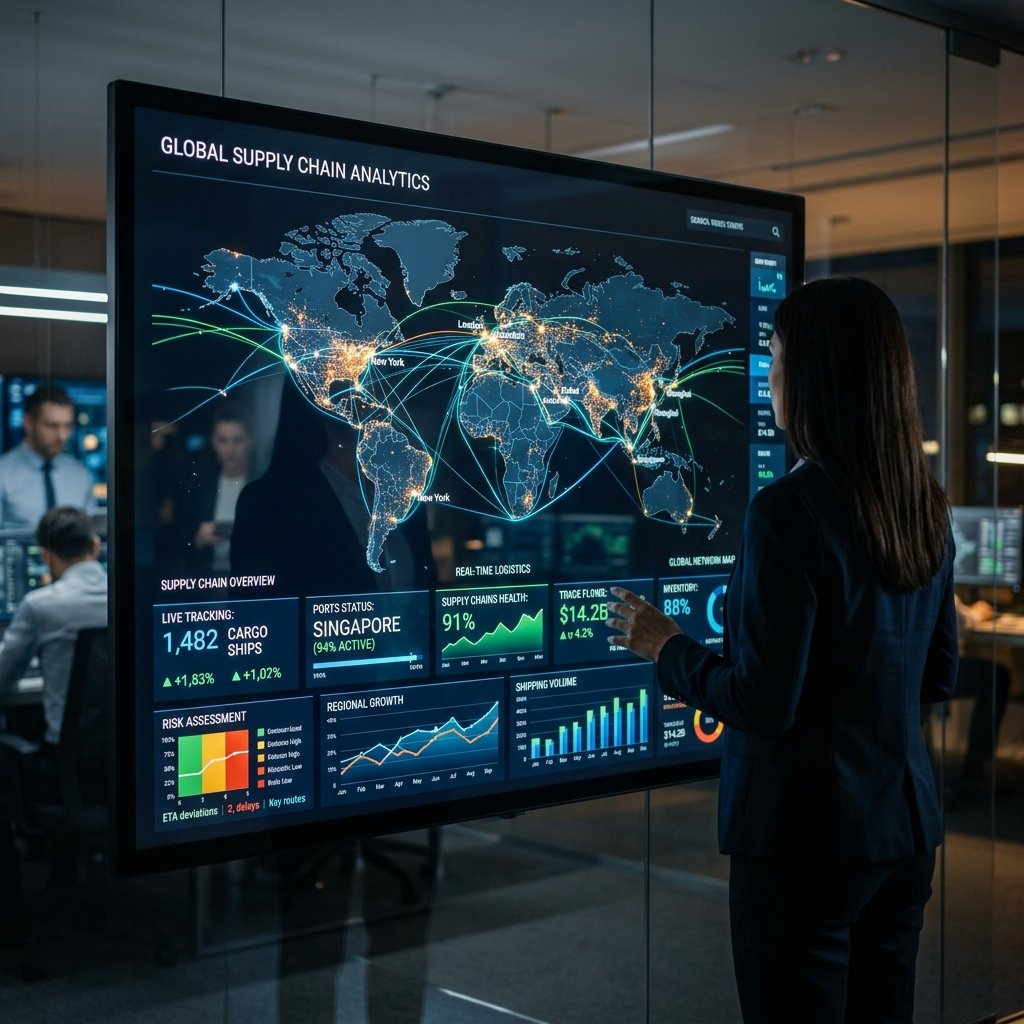

The global landscape of industrial manufacturing and supply chain management is undergoing a massive transformation. With rising complexities in cross-border logistics, companies are seeking integrated platforms to streamline operations.
The Shift Toward Automation
In the past five years, automation has transitioned from a luxury to an absolute necessity. Facilities around the globe are integrating robotic assembly lines and AI-driven quality assurance mechanisms. This shift not only accelerates production cycles but also minimizes human error, resulting in higher yield rates and better resource allocation.
However, the adoption of these technologies brings forth new challenges, particularly in supply chain resilience. An automated factory is highly sensitive to input delays; a missing microchip or industrial part can halt an entire production line.
"Resilience in the modern era doesn't just mean having a backup supplier. It means having real-time data visibility across your entire procurement network."
What This Means for Global Sourcing
The integration of B2B marketplaces like Leadex is crucial in bridging the gap between localized manufacturing hubs and global demand. By offering verified supplier networks, integrated payment workflows, and real-time shipment tracking, the barriers to entry for international trade are significantly lowered.
- Verified Suppliers: Ensuring all partners meet strict compliance standards.
- Predictive Analytics: Leveraging AI to anticipate supply shortages before they impact production.
- Seamless Transactions: Multi-currency support and secure escrow services built directly into the platform.
As we look toward 2027, the focus will undoubtedly shift from merely connecting buyers and sellers to fostering deep, data-driven partnerships that can withstand global economic shifts.